
Bitcoin has struggled to break above $92,000 since Thursday, experiencing a 22% decline over the past month. However, several catalysts could help BTC reclaim the $112,000 level it reached just four weeks ago.
Market Positioning and Sentiment
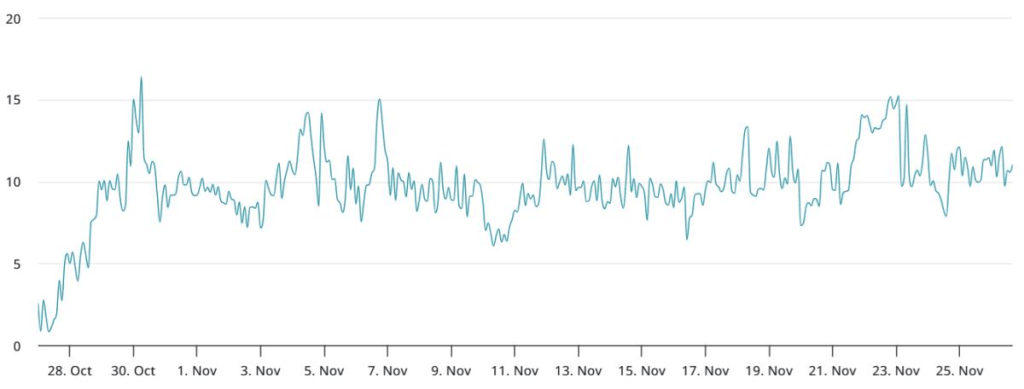
The cryptocurrency faces headwinds from derivatives markets, where cautious positioning reflects broader uncertainty. Put options currently trade at a 10% premium over call options, indicating defensive sentiment among traders. $22.6 billion in BTC options will expire on December 26. Many market participants are waiting for this skew to normalize before committing to new positions.
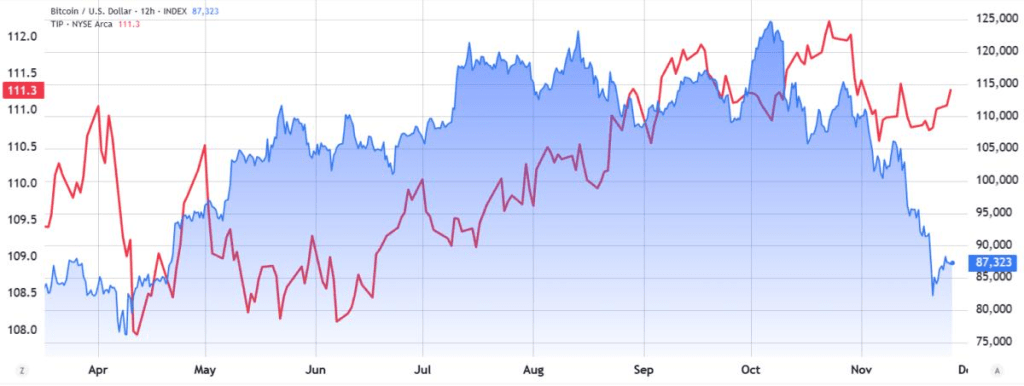
Despite near-term weakness, improving liquidity conditions provide reason for optimism. The iShares TIPS Bond ETF, which tracks inflation-protected securities, recently bounced from support levels and resumed its upward trend. This movement suggests investors anticipate higher inflation, an environment that has historically supported Bitcoin as an alternative asset.
Interest Rate Expectations
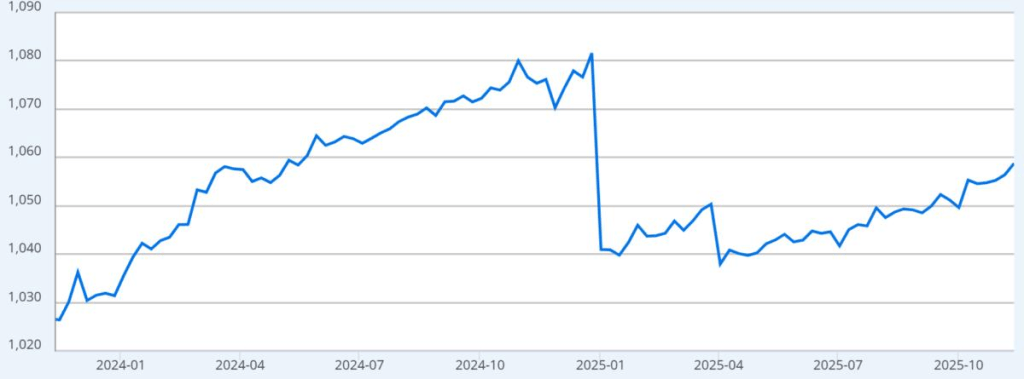
Federal Reserve policy remains a critical variable. Bond futures markets now price in a 78% probability that interest rates will stay at 3.50% or higher through late January, up from just 47% two months ago. The recent government funding shutdown, which extended until November 12, adds complexity to the Fed’s decision-making process.
Key data releases will shape expectations: the November jobs report arrives December 16, followed by the core Personal Consumption Expenditures index on December 26. These indicators will help determine whether the Fed maintains its current stance or adjusts course.
Leadership and Policy Changes
Structural changes could emerge in 2026. Fed Chair Jerome Powell’s term concludes in May, and President Trump has expressed preference for leadership favoring less restrictive monetary policy. While no nomination timeline has been announced, the transition process typically spans several months.
Regulatory shifts also loom. Bloomberg reports that new rules will reduce capital requirements for major banks beginning January 1, 2026. Combined with the administration’s stated plans to boost economic growth through expanded borrowing, these factors could create favorable conditions for risk assets.
Bitcoin Ecosystem Developments
Within the crypto space itself, two developments merit attention. MSCI Index is consulting investors about potentially excluding companies focused primarily on accumulating digital assets, with a decision expected January 15. This review affects firms like Strategy, which has approximately $9 billion in passive fund exposure.
Company chairman Michael Saylor emphasized on Friday that Strategy operates as a publicly traded company with both a software business and a treasury strategy, distinguishing it from passive investment vehicles.
Looking Ahead
While Bitcoin faces near-term pressure from derivatives positioning and policy uncertainty, multiple factors could support a recovery. Improving inflation expectations, potential monetary policy shifts, regulatory easing, and clarification on index inclusion all contribute to a constructive medium-term outlook.
A return to $112,000 remains achievable, though the path appears more probable during the first half of 2026 as these catalysts develop.
This analysis is for informational purposes only and should not be considered investment advice. Always conduct your own research and consult with financial professionals before making investment decisions.
 FinancialNewshub
Leave a comment